The True Cost of Setting Up a Lab in 2025 - And Where Labs Save Most
4 mins read
Setting up a laboratory in 2025 looks very different from previous years. Equipment expectations have risen, digital compliance is now standard, and supply chains have shifted—making startup costs higher, but also more predictable. At the same time, many labs are discovering new ways to save without compromising performance. This article breaks down the real costs of building a modern lab in 2025 and highlights where Australian research, clinical, and industrial labs are finding the biggest opportunities to stretch their budgets further.
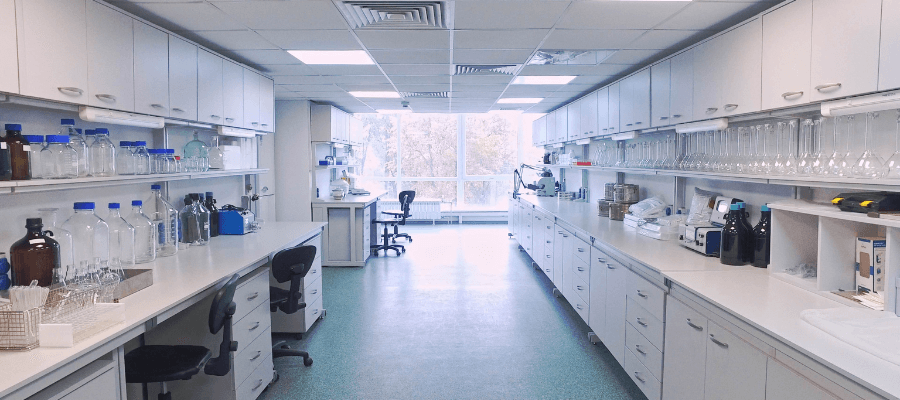
Setting up a laboratory, whether for research, diagnostics, teaching, biotechnology, or industrial QC has always been a significant investment. But in 2025, the financial landscape looks very different from previous years. Rising equipment expectations, digital compliance requirements, supply chain shifts, and increased focus on safety have all reshaped what it truly costs to build a functional, future-ready lab.
While budgets are under more pressure, many Australian labs are also finding new ways to save, often without compromising on performance.
Here’s a practical breakdown of what goes into setting up a lab in 2025 and the smartest places laboratories are reducing costs.
1. Equipment and Instrumentation: Still the Biggest Expense
Instrumentation continues to make up the majority of a new laboratory’s budget. In 2025, this includes essential equipment such as centrifuges, incubators, laboratory refrigerators, pipettes, shakers and mixers, and precision balances. These instruments form the backbone of most research, testing, and diagnostic workflows.
Modern laboratories are also investing in digital-ready equipment capable of automatic data logging, stricter temperature stability, lower vibration levels, and systems designed to meet NATA or ISO compliance standards.
Typical price expectations in 2025:
- Basic equipment: $500 – $5,000
- Mid-range research instruments: $5,000 – $20,000
- High-performance units (CO₂ incubators, cryogenic freezers): $20,000 – $60,000
- Specialty analytical equipment: $60,000 – $250,000+
Premium manufacturers such as Thermo Scientific, Eppendorf, IKA, Julabo, and Hettich remain the top choice for high-precision laboratory equipment. At the same time, laboratories increasingly supplement these with value-focused brands like LLG Labware and Benchmark Scientific to manage costs.
2. Consumables: A Growing Recurring Cost
Consumables are often underestimated when planning a new laboratory budget. Everyday supplies such as pipette tips, gloves, tubes, microplates, cell culture plastics, filtration products, and cryogenic storage supplies accumulate quickly over time.
Many labs purchase these routine supplies alongside reusable laboratory equipment such as laboratory glassware or durable laboratory plasticware, which can help reduce long-term consumable costs.
Although global supply chains have stabilised since the pandemic, consumable prices in 2025 remain slightly higher than pre-2020 levels.
Where laboratories save:
Switching from premium consumables to reliable alternatives such as LLG Labware or BRAND for non-critical workflows can reduce annual consumable expenses by 20–40%.
3. Digital Infrastructure Is No Longer Optional
Modern laboratories now rely heavily on digital infrastructure. Many facilities require laboratory information management systems (LIMS), automated temperature monitoring, instrument audit trails, and secure cloud storage for research data.
Although these systems increase the initial setup cost, they significantly reduce long-term risk and are essential for laboratories seeking accreditation or regulatory compliance.
4. Facility Setup and Compliance
Beyond equipment purchases, laboratories must also budget for infrastructure and compliance requirements. These can include benchtop installation, electrical and plumbing upgrades, ventilation systems, biosafety cabinets or fume hoods, waste management services, and regular calibration programs.
Additional compliance requirements often include equipment validation, documentation systems, and environmental monitoring for regulated laboratories.
Depending on facility type, these setup costs can range from $10,000 to $150,000 or more.
5. Staffing and Training
With skilled laboratory professionals in high demand, many organisations now allocate dedicated budgets for training and workforce development. This may include equipment training sessions, pipetting technique workshops, WHS compliance programs, and ongoing refresher training for scientific staff.
Well-trained staff reduce operational mistakes, minimise instrument downtime, and help prevent costly experimental repeats.
Where Labs Save the Most in 2025
After working with laboratory managers across Australia, several clear cost-saving trends have emerged.
1. Blending Premium Brands with Value Alternatives
One of the biggest shifts in laboratory purchasing is the use of hybrid equipment strategies. Many labs combine premium instruments from brands such as Thermo Scientific, Eppendorf, Julabo, and Heidolph with more cost-efficient equipment from manufacturers like LLG Labware or Benchmark Scientific.
This approach allows laboratories to invest heavily where precision is critical while saving on everyday equipment.
2. Avoiding Overspecification
Historically, many laboratories purchased equipment with far more capacity than necessary. In 2025, purchasing decisions are becoming more intentional.
Instead of buying the largest shaker or fastest centrifuge available, labs increasingly select equipment that matches their real workflow needs. Choosing the right model within categories like laboratory shakers or centrifuging equipment can save thousands without affecting productivity.
3. Prioritising Modular, Expandable Equipment
Another cost-saving strategy is selecting equipment that can grow with laboratory needs. Many centrifuges now offer interchangeable rotor systems, while incubators and mixers often allow additional modules or accessories to be added later.
This allows laboratories to spread investment over the first 12–24 months instead of purchasing every accessory immediately.
4. Using Multi-Function Equipment
Multi-purpose instruments are becoming increasingly popular because they reduce the number of individual devices required in a laboratory. Combination mixer-vortex systems, dual-zone incubators, and centrifuges with multiple rotor configurations allow labs to perform several workflows using a single instrument.
5. Negotiating Long-Term Consumable Contracts
High-volume laboratories working in diagnostics, cell culture, or screening environments often negotiate long-term consumable contracts with suppliers.
These agreements can provide guaranteed supply, bulk discounts, and reduced shipping costs. Consumable lines from manufacturers such as LLG Labware and BRAND are frequently used in these agreements due to their balance of quality and affordability.
The Real Cost: Flexibility and Future-Proofing
The biggest shift in 2025 is not simply how much laboratories spend, but how strategically they spend it. Lab managers are focusing on flexibility, multi-purpose equipment, energy efficiency, digital compatibility, maintenance support, and long-term upgrade potential.
Rather than purchasing everything at once, many laboratories are building “future-ready cores” consisting of essential instruments that can be expanded as research needs evolve.
Conclusion
Setting up a laboratory in 2025 requires careful planning and strategic decision-making. While equipment and infrastructure remain major investments, many laboratories are successfully balancing performance and cost by combining premium instruments with reliable value alternatives.
LabFriend supports Australian laboratories with both premium manufacturers including Thermo Scientific, Eppendorf, Julabo, Heidolph, and Hettich, as well as cost-efficient alternatives such as LLG Labware, Hermle, Benchmark Scientific, and Ohaus.
Whether you are building a new laboratory facility or expanding an existing one, LabFriend can help you select the right combination of instruments, consumables, and infrastructure to balance performance, compliance, and budget.
Frequently asked questions
Most orders ship within 24 hours and arrive in 3–5 business days depending on your location.


