Vacuum Pump: A Critical Tool for Controlled Laboratory Environments
1 min read
A vacuum pump is an essential tool for lab applications like filtration, evaporation, and drying. LabFriend offers oil-free and rotary vane vacuum pumps from trusted brands such as KNF, Vacuubrand, and Welch, with fast delivery and expert support across Australia.
Introduction
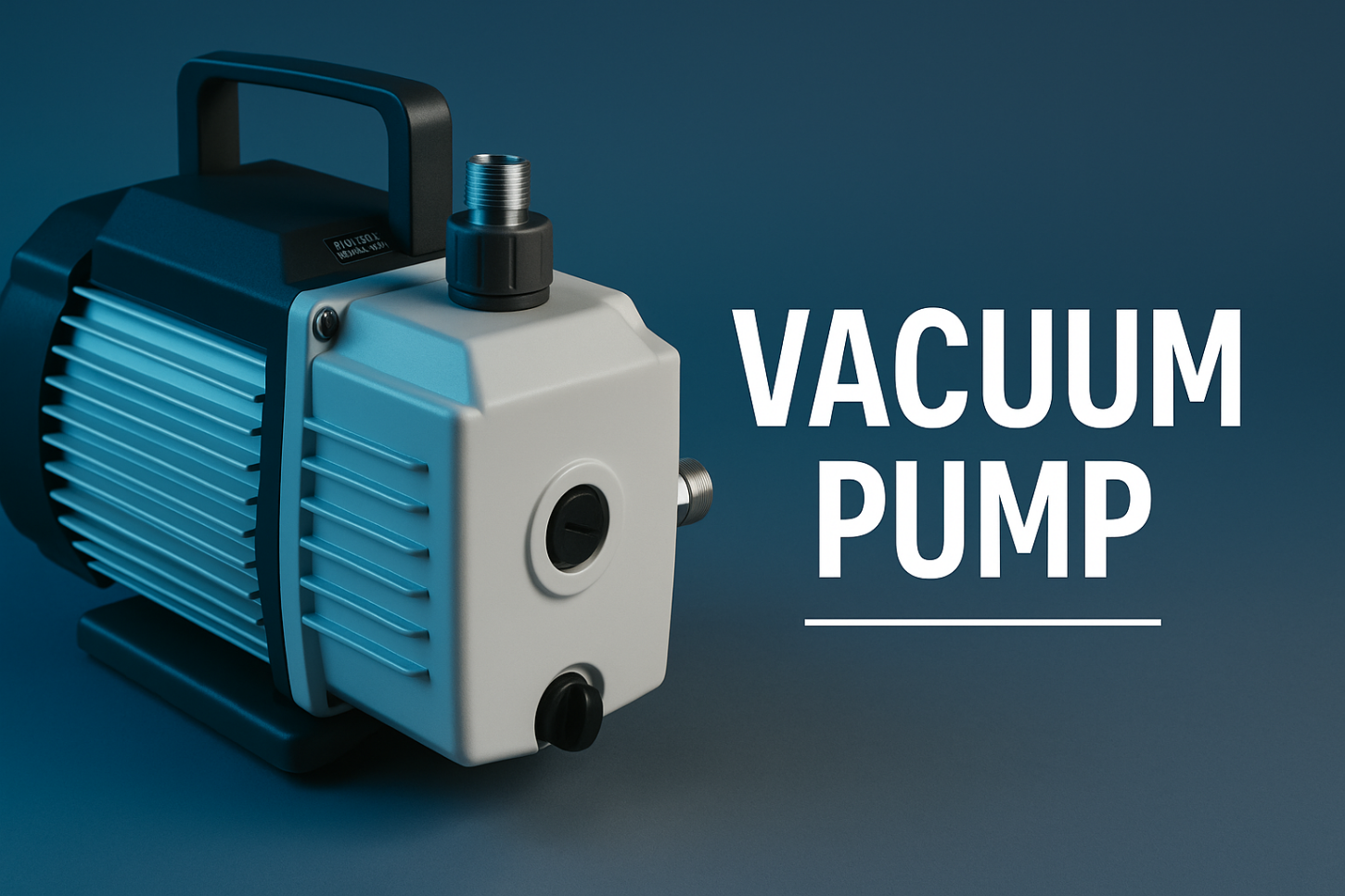
A vacuum pump is an essential tool in modern laboratories, widely used for filtration, degassing, distillation, drying, and sample concentration. Whether you're running a rotary evaporator, setting up a vacuum oven, or processing sensitive materials, the right vacuum pump ensures consistency, control, and safety.
At LabFriend, we supply a wide range of laboratory vacuum pumps, including diaphragm, rotary vane, and oil-free models from trusted brands like KNF, Vacuubrand, Welch, and BrandTech—with fast Australia-wide delivery.
🧪 What Is a Vacuum Pump Used For?
A vacuum pump removes air or gas molecules from a sealed space, creating negative pressure (vacuum). This vacuum facilitates faster evaporation, improved solvent recovery, contamination-free filtration, and more efficient drying.
Common lab applications include:
-
Rotary evaporation
-
Vacuum filtration
-
Freeze-drying (lyophilisation)
-
Degassing solvents
-
Mass spectrometry and vacuum ovens
🔍 Types of Vacuum Pumps Available at LabFriend
1️⃣ Diaphragm Vacuum Pumps – KNF, Vacuubrand
-
Oil-free, chemically resistant
-
Ideal for filtration, solvent degassing, and SPE
-
Quiet, low-maintenance, long lifespan
2️⃣ Rotary Vane Vacuum Pumps – Welch, BrandTech
-
High vacuum performance (down to 10⁻³ mbar)
-
Perfect for freeze-drying, rotary evaporation, and vacuum distillation
-
Typically oil-lubricated for tighter seals
3️⃣ Oil-Free Pumps
-
Lower maintenance
-
No risk of oil contamination
-
Ideal for analytical instruments like GC-MS, LC-MS
⚙️ How to Choose the Right Vacuum Pump
Selecting the right vacuum pump depends on your application and lab setup. Consider:
-
Vacuum Range Needed:
-
Rough vacuum for filtration: 1,000–1 mbar
-
Medium vacuum for rotary evaporation: 1–10⁻³ mbar
-
High vacuum for mass spec: below 10⁻³ mbar
-
-
Chemical Compatibility:
-
Choose PTFE-coated diaphragm pumps for aggressive solvents
-
Use oil-free pumps for clean, dry vacuum environments
-
-
Flow Rate & Pumping Speed:
-
Higher flow rates = faster processing
-
Match to your glassware or system size
-
-
Maintenance & Noise Level:
-
Diaphragm pumps are quieter and easier to maintain
-
Rotary vane pumps need regular oil changes
-
💡 Need help matching a pump to your evaporator or oven? LabFriend’s support team is here to help.
🏷️ Brands You Can Trust at LabFriend
We supply lab-grade vacuum pumps from reliable manufacturers:
-
KNF – Premium diaphragm pumps for chemistry labs
-
Vacuubrand – Chemically resistant and whisper-quiet
-
Welch – Durable rotary vane vacuum pumps
-
BrandTech Scientific – Compact, high-performance vacuum solutions
-
Heidolph – Vacuum control systems and accessories
🛠️ Maintenance Tips for Vacuum Pumps
To extend the lifespan of your vacuum pump:
-
Clean external surfaces regularly
-
Monitor oil levels and replace when contaminated (for rotary vane)
-
Use a trap to prevent vapour backflow into the pump
-
Store in a dry, dust-free environment
-
Schedule annual service checks or calibrations
LabFriend can assist with service parts and accessories if needed.
📈 Final Thoughts
A reliable vacuum pump is the backbone of any lab process that requires controlled pressure or fast solvent removal. Choosing the right model ensures efficiency, chemical compatibility, and long-term durability.
At LabFriend, we make it easy to find and order the best vacuum pump for your lab—backed by premium brands, competitive pricing, and fast shipping across Australia.
🔬 Ready to elevate your lab work? Explore now at LabFriend
Frequently asked questions
Most orders ship within 24 hours and arrive in 3–5 business days depending on your location.
.png)
.png)